Houston Burst Pipes Do Not Have to Break You
Burst pipe water damage repair in Houston can feel scary, especially when you walk into a soaked hallway or see water dripping from the ceiling after a storm. Your first thought is usually, "How bad is this, and what is this going to cost?" That worry is normal, but there are clear steps and clear cost drivers you can understand.
The truth is, fixing the broken pipe is only one part of the picture. There can be damage to walls, floors, cabinets, and even your belongings. There are also health concerns from moisture and mold, and questions about what your insurance will pay for. We are going to break down what tends to affect cost, what usually needs to be done, and how quick, professional help can keep the damage from getting worse.
What Makes Burst Pipe Damage So Expensive
Water from a burst pipe does not stay in one spot. It runs behind walls, under floors, into insulation, and through tiny gaps. You might see a small puddle, but behind that, there can be:
- Wet drywall and insulation
- Moisture under wood or tile floors
- Damp cabinets and baseboards
- Water inside wall cavities and under trim
In Houston homes, a few local factors can make things more tricky. Many houses sit on slab foundations, so pipes often run under concrete or inside walls where they are harder to reach. Older plumbing in some neighborhoods can be more fragile. Heavy rain and stormy weather can put extra stress on already weak spots in the system.
Time is the big cost trigger. The longer water sits, the more it soaks in and spreads. What starts as one wet room can turn into several. When drying is delayed, materials may need to be removed instead of restored, and that is when the work grows from simple cleanup into a larger restoration project.
Typical Cost Ranges for Burst Pipe Repairs in Houston Homes
When people think about burst pipe water damage repair in Houston, they often think of a single bill. In reality, there are three main parts: plumbing work, water mitigation, and structural and content restoration.
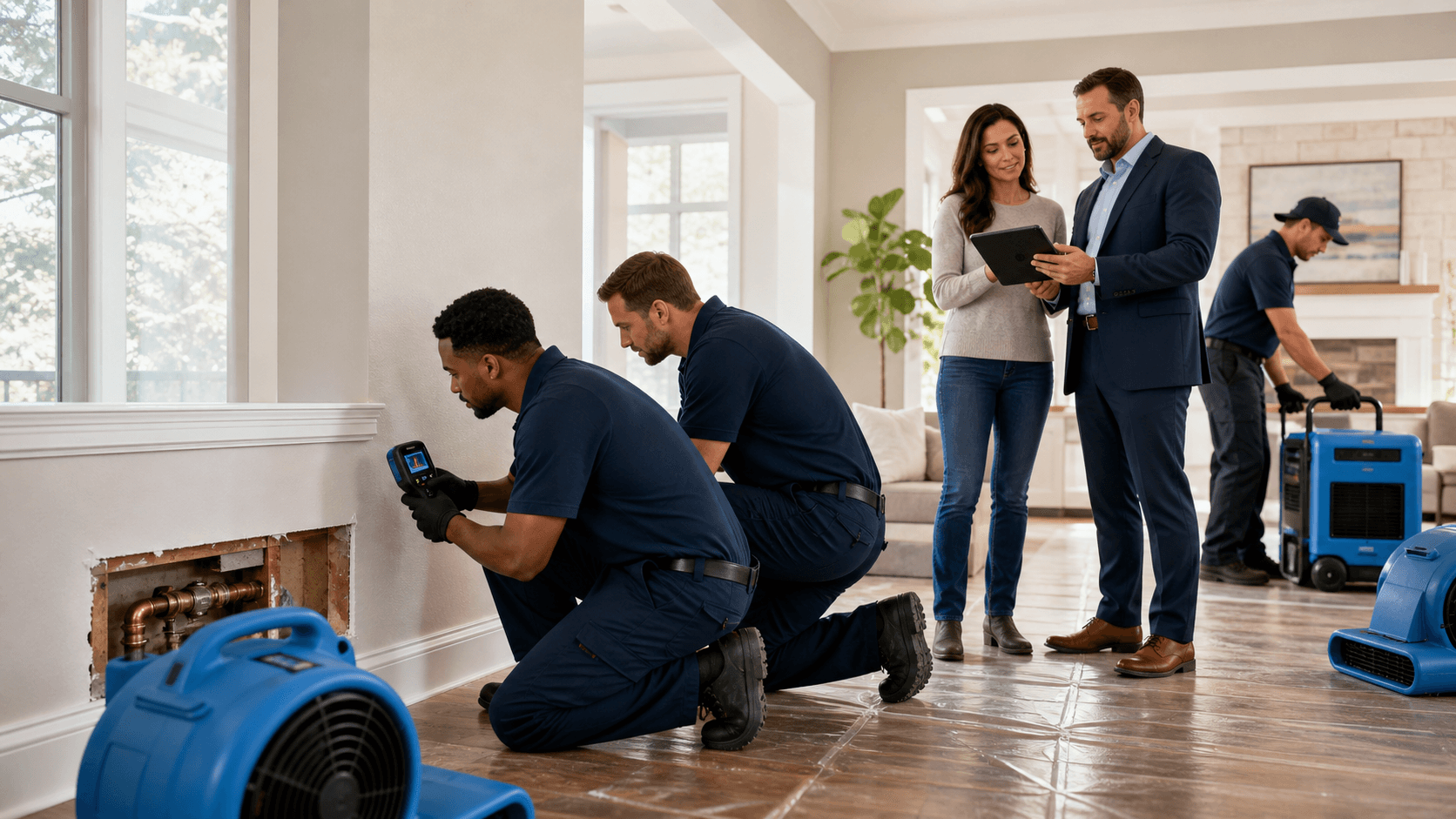
Direct plumbing repair is the first step. This usually includes:
- Finding the burst or cracked section of pipe
- Accessing the pipe, which may mean opening walls or ceilings
- Repairing or replacing the damaged section
The type of pipe matters. Copper, PEX, and older galvanized pipes can all require different tools and approaches. Pipes in hard-to-reach spots, like inside tight wall spaces or under cabinets, often require more labor.
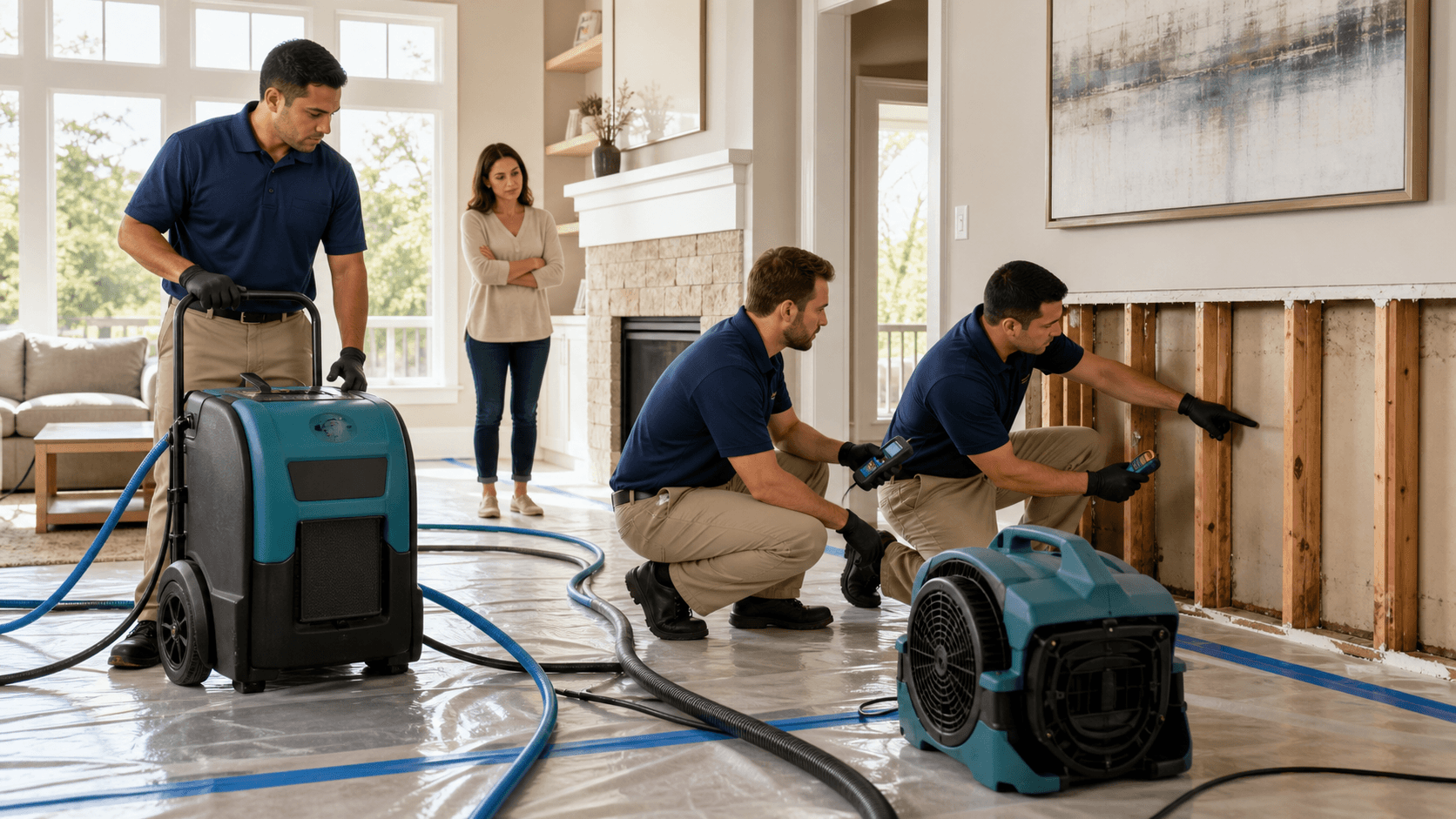
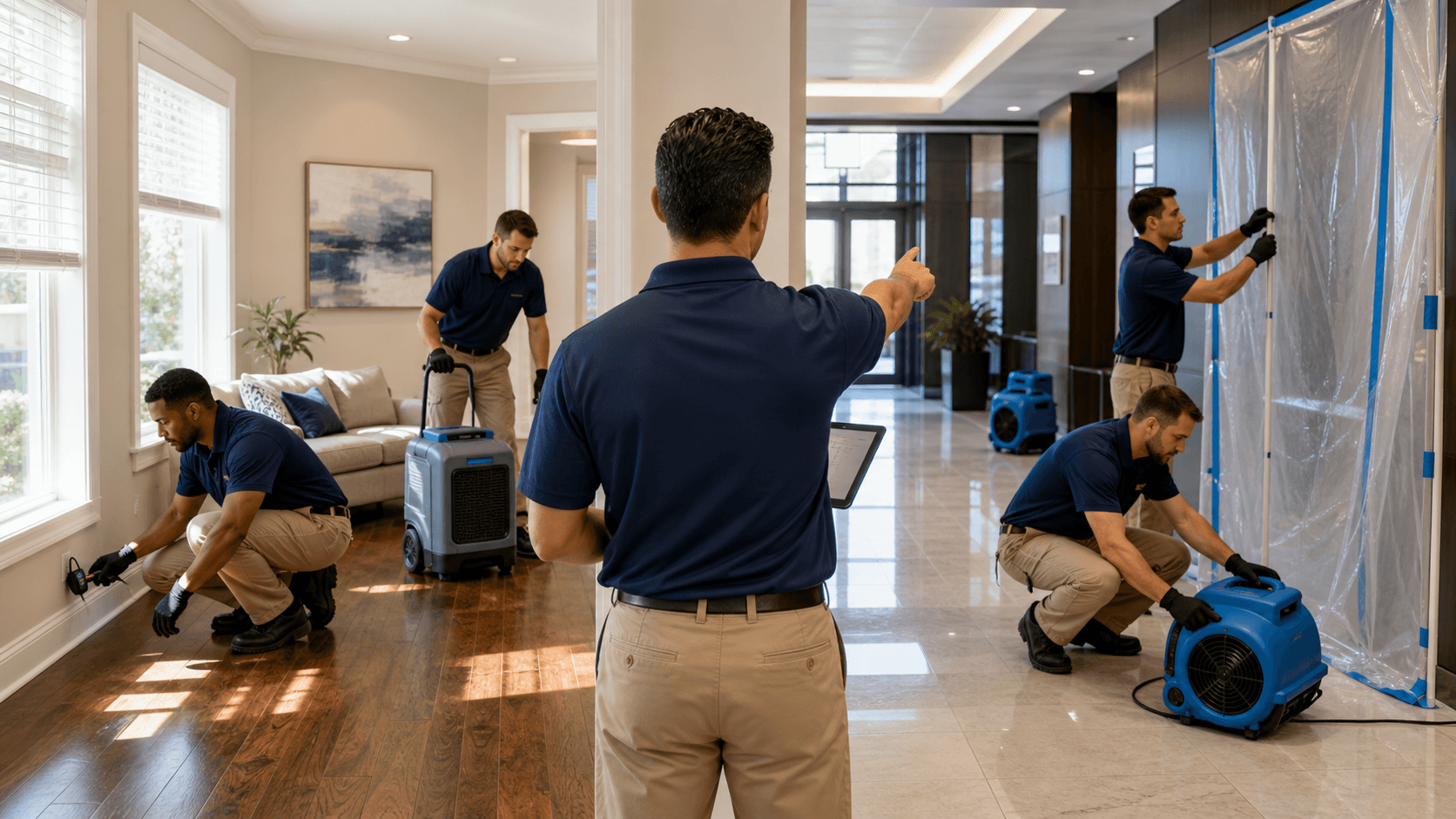
Next is water damage mitigation. This is the emergency work done to stop damage from spreading. It can include:
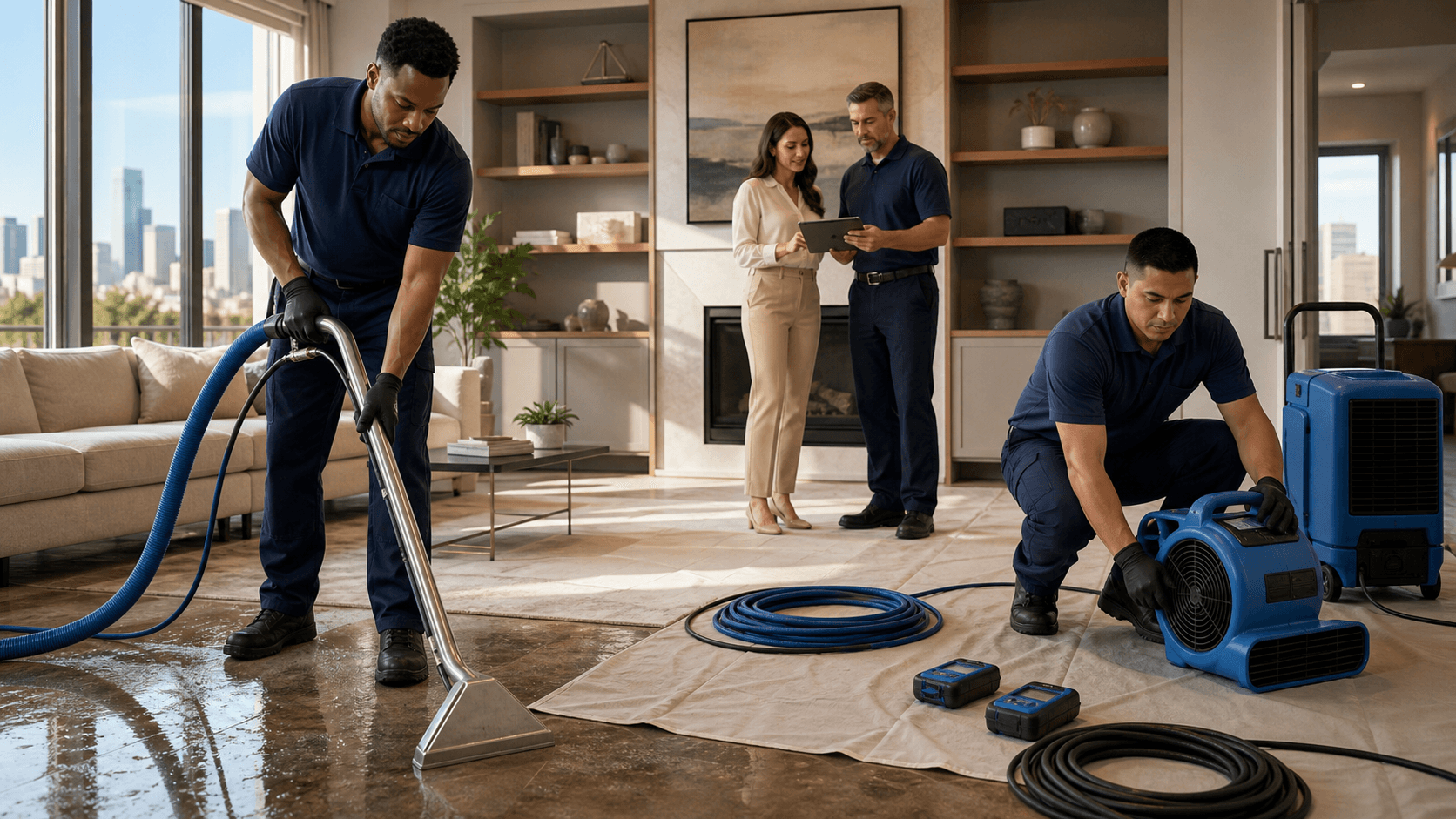
- Extracting standing water from floors and carpets
- Setting up air movers and dehumidifiers to dry the structure
- Checking hidden areas with moisture meters
- Applying antimicrobial treatments to help limit mold growth
In a typical Houston home, this phase can run from a small, focused drying setup in one room to a full home mitigation effort if several spaces are wet.
Finally, there is structural and content restoration. After things are dry, you may still need:
- New drywall, texture, and paint
- Replacement of damaged flooring, such as carpet, vinyl, or wood
- Repair or replacement of baseboards, trim, and some cabinets
- Cleaning or restoring furniture, rugs, and personal items that were affected
The level of finish in your home plays a big role here. Standard materials tend to cost less to restore than custom floors and built-ins.
Key Factors That Drive Your Final Restoration Bill
Every burst pipe job is different, but a few key points almost always shape the final bill.
First, the size and type of area that got wet. Things that can change cost include:
- Number of rooms affected
- Whether walls and ceilings are involved, not just floors
- Type of flooring, such as hardwood, tile, or carpet
- Custom cabinets, built-ins, or special finishes that are hard to match
Second, the category of water damage. Clean water coming from a supply line is usually simpler to handle than water that mixes with soil or sewage. If the burst pipe is near a drain or another source of contamination, more materials may need to be removed for safety, and the cleaning process becomes more detailed.
Third, speed of professional response. When a 24/7 restoration team arrives quickly, they can often save materials that might otherwise be lost. Fast action can:
- Reduce how far moisture spreads
- Lower the chance of mold growth
- Decrease the need for demolition
- Shorten the overall timeline of the job
Waiting a day or two can turn a small, controlled job into a large project with more steps and more disruption.
How Insurance Handles Burst Pipes in Houston Homes
Many standard homeowners policies treat sudden and accidental burst pipes differently from long-term leaks. Sudden bursts are often covered, including the work to dry and clean the home and to rebuild damaged areas. On the other hand, gradual drips or issues that were left unaddressed may not be included.
Most policies look at things like:
- Cause of the damage (a sudden event or a long-term issue)
- Areas of the home that were affected
- Whether proper steps were taken to limit further damage
Good documentation makes the insurance process smoother. It helps to:
- Take clear photos and videos of all affected areas
- Keep any damaged items until they are documented
- Save all receipts related to emergency work and temporary housing
- Ask for detailed, line-item estimates from an IICRC-certified restoration company
Working with a contractor that is already approved by insurance carriers and used to speaking with adjusters can help keep surprises down. They know how to describe the work in a way the carrier understands and can help explain why certain steps are needed.
Smart Ways to Avoid Surprise Costs Next Time
While you cannot control every burst pipe, you can lower your risk and protect your wallet for the future. In Houston's climate, it helps to pay attention before the rainy season kicks up and during bigger home projects.
Some simple preventive steps include:
- Checking visible plumbing for signs of corrosion or staining
- Adding insulation or wraps to exposed pipes where possible
- Making sure you know exactly where your main water shutoff valve is
- Testing that shutoff valve so it works in an emergency
Early warning is a big help. Unusual sounds like dripping in the walls, soft spots in flooring, or a sudden spike in your water bill can point to a hidden problem. When you think something is wrong, quick action can keep damage from ballooning. Turning off the water supply, moving valuables out of harm's way, and getting professionals on the scene quickly are key steps.
Some long-term upgrades can also pay off over time, such as:
- Repiping parts of older homes that still have aging plumbing
- Adding smart leak detectors that send alerts to your phone
- Improving drainage and grading around the home to keep water from pooling near the foundation
These choices not only help protect from burst pipe damage, but they can also give you more peace of mind when you are away from home for work, travel, or holidays.
Take Control of Burst Pipe Costs Before Damage Spreads
Understanding how burst pipe water damage repair in Houston really works helps you feel more in control. Plumbing repair, emergency mitigation, structural rebuilding, and the insurance process all play a part in what you finally pay. When you know what affects each step, it is easier to make fast, clear choices when every minute seems to matter.
Quick response, careful drying, and working with experienced, IICRC-certified technicians can keep a bad day from becoming a long and expensive repair story. Houston Water Damage Restoration is here to help Houston homeowners get dry, get clean, and get back to normal as quickly and smoothly as possible.
Get Started With Your Project Today
If a burst pipe has disrupted your home or business, our team at Houston Water Damage Restoration is ready to act quickly to minimize damage and start the recovery process. For fast, local help, explore our specialized services for burst pipe water damage repair in Houston. We will assess the damage, explain your options, and work efficiently so you can get back to normal as soon as possible.